
Introduction: Understanding Skin Infections
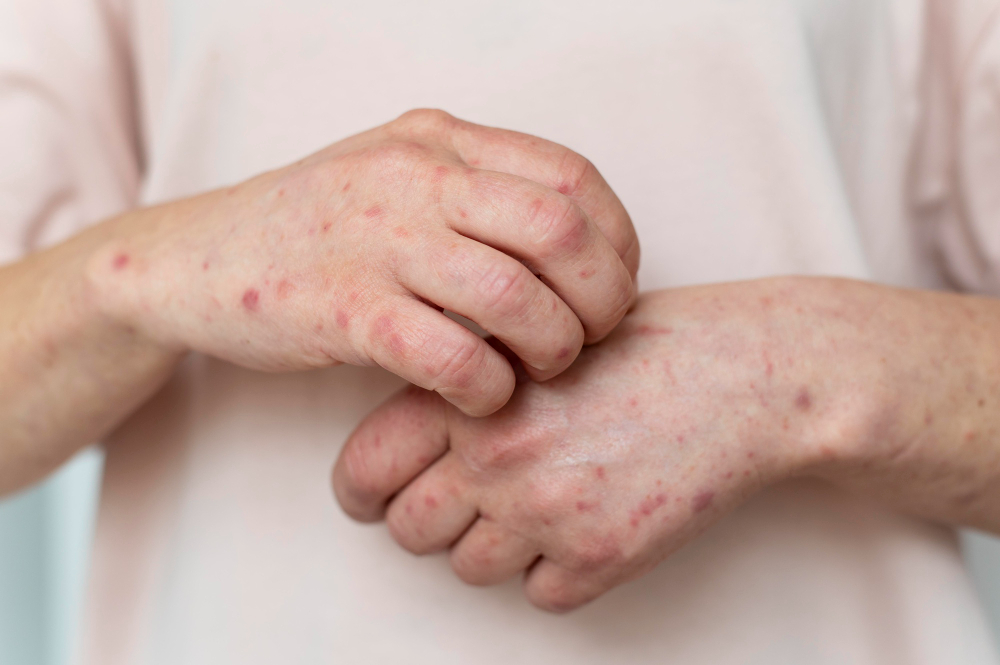
Skin infections are common and can affect anyone. They may cause redness, swelling, itching, or pain. Because these infections can spread, it is important to treat them early. Many people look for natural treatment for skin infections. For this reason, some turn to homeopathy for skin infections as an alternative or complementary approach.
What Is Homeopathy?
Homeopathy is a system of medicine that uses very small amounts of natural substances. These substances come from plants, minerals, or animals. The main idea is that a substance causing symptoms in a healthy person may help treat similar symptoms in a sick person. This is called the “like cures like” principle. Homeopathic remedies are prepared through repeated dilution and shaking. Supporters believe this process makes the remedy safe and effective.
Common Skin Infections Treated with Homeopathy
People use homeopathy for many types of skin infections. Some common conditions include:
However, not all skin infections are safe to treat at home. If you have a severe infection, always seek medical help.
Popular Homeopathic Remedies for Skin Infections
There are several homeopathic remedies for skin infections. Each remedy is chosen based on your symptoms and overall health. Some popular options include:
Even though these remedies are popular, it is best to consult a qualified homeopath for the right choice and dose.
Effectiveness and Scientific Evidence
Many people report relief with homeopathic remedies for skin infections. However, scientific studies on homeopathy show mixed results. According to the World Health Organization (WHO), there is not enough strong evidence to prove homeopathy works for infections. The Centers for Disease Control and Prevention (CDC) does not recommend homeopathy as a main treatment for skin infections. Some small studies suggest possible benefits, but more research is needed. Because of this, homeopathy should not replace standard medical care, especially for serious infections.
Safety Considerations and Possible Side Effects
Homeopathic remedies are usually safe when used as directed. They are highly diluted, so side effects are rare. Still, some people may have allergic reactions or skin irritation. It is important to buy remedies from trusted sources. Never use homeopathy to delay or avoid proven medical treatments. If your symptoms get worse, stop using the remedy and seek medical help.
When to Consult a Healthcare Professional
While mild skin infections may improve with home care, you should see a doctor if:
Early treatment can prevent complications. Always talk to a healthcare provider before starting any new treatment, including homeopathy.
Prevention Tips and Lifestyle Advice
Good habits can help prevent skin infections. Here are some tips:
By following these steps, you can lower your risk of skin infections.
Conclusion
In summary, homeopathy for skin infections is a popular natural treatment option. Some people find relief with homeopathic remedies for skin infections. However, scientific evidence is limited, and safety should always come first. If you have a skin infection, consult a qualified homeopathic practitioner or healthcare provider for personalized advice on skin infections.